Source Eco-Friendly Woven Cloth Garment Label for Garments, Shoes, Bags
Find 30 verified options for Eco-Friendly Woven Cloth Garment Label tailored for garments, shoes, and bags. Compare customization, material types, and MOQs from suppliers in Dongguan and Hangzhou to streamline your sourcing process; compare the available evidence and request quotations based on your requirements.
Key considerations
Products List


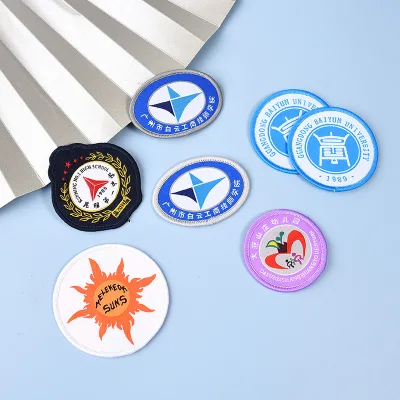
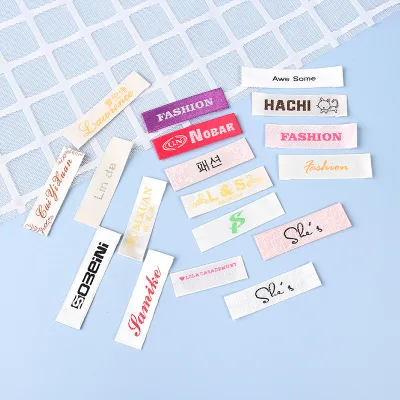


Factory Custom Garment Clothes Woven Label Tag/Woven Label/ Clothing Labels
$0.05 - $0.30
MOQ: 100 piece


Comprehensive Sourcing Guide
Eco-Friendly Woven Cloth Garment Label Sourcing Guide
Sourcing eco-friendly woven labels requires a strategic balance between material integrity, aesthetic customization, and supply chain transparency. Buyers must recognize that "eco-friendly" is a broad claim that demands specific verification of fiber sources and manufacturing processes. The observed market data indicates a diverse range of products, from self-adhesive options to in-mold labels, each serving distinct garment construction needs. Understanding these variations is critical for selecting the right label type that aligns with both brand identity and sustainability goals.
Procurement teams should prioritize suppliers who demonstrate clear customization capabilities, as indicated by the available product attributes. The presence of custom colors, sizes, and standards suggests that off-the-shelf solutions may not meet specific brand requirements. Buyers need to evaluate how suppliers handle these customizations without compromising the eco-friendly narrative. This involves assessing their ability to produce small batches initially while scaling up efficiently, ensuring that the final product meets both aesthetic and environmental expectations.
Product Scope and Observed Listing Signals
The current market landscape for woven garment labels reveals a significant diversity in material composition and application methods. While the core keyword specifies woven cloth, observed listings include products made from paper and other materials, indicating that buyers must carefully filter results to find true woven fabric options. The presence of features such as washable, eco-friendly, and recycled attributes suggests a growing demand for sustainable labeling solutions that can withstand rigorous laundering processes without degrading.
Observed minimum order quantities (MOQs) range from 30 to 1000 pieces, reflecting the flexibility available in the market. This wide range allows buyers to test new designs with low-volume orders before committing to larger production runs. Additionally, the availability of custom shapes, including folded and triangle configurations, provides opportunities for unique brand differentiation. Buyers should leverage these customization options to create labels that not only serve a functional purpose but also enhance the overall perceived value of the garment.
Technical Specifications to Verify
When evaluating woven labels, verifying the specific material composition is paramount to ensuring true eco-friendly credentials. Buyers should confirm whether the woven fabric is made from recycled polyester, organic cotton, or other sustainable fibers. The observed attribute of "recycled" material suggests that some suppliers offer products made from post-consumer waste, which can significantly reduce the environmental footprint. It is essential to request detailed material breakdowns to ensure that the labels meet specific sustainability targets and do not contain hidden synthetic components.
Technical features such as washability and anti-counterfeit properties are critical for long-term durability and brand protection. Labels must withstand repeated washing cycles without fading or fraying, maintaining their legibility and aesthetic appeal. Additionally, features like embossed patterns or barcode integration can add value by providing anti-counterfeit measures and inventory management capabilities. Buyers should verify these technical specifications through sample testing to ensure that the labels perform as expected under real-world conditions.
Compliance and Safety Documentation
Ensuring that woven labels comply with relevant safety and environmental standards is a crucial step in the sourcing process. While specific certifications like OEKO-TEX or ISO 14001 are mentioned in background data, buyers must verify the current status and validity of these certifications with each supplier. Compliance with these standards ensures that the labels are free from harmful substances and that the manufacturing process adheres to environmental best practices. This verification is essential for maintaining brand integrity and avoiding potential regulatory issues.
Buyers should also consider the documentation provided by suppliers regarding the origin of materials and manufacturing processes. Transparency in the supply chain is increasingly important for consumers who are conscious of the environmental impact of their purchases. Suppliers should be able to provide clear documentation on the sourcing of raw materials, the energy sources used in production, and the waste management practices employed. This level of transparency helps build trust with consumers and supports the brand's sustainability claims.
Cost Drivers and Commercial Terms
The cost of eco-friendly woven labels is influenced by several factors, including material selection, customization complexity, and order volume. The observed price range of $0.01 to $1 per unit reflects the variability in product quality and features. Buyers should understand that higher prices may correlate with superior materials, such as organic fibers, or more complex customization options, such as intricate embossed patterns. It is important to balance cost considerations with the desired quality and sustainability attributes to ensure value for money.
Commercial terms, including MOQs and sample times, also play a significant role in the overall procurement strategy. The observed MOQs of 30 to 1000 pieces allow for flexibility, but buyers should negotiate terms that align with their production schedules and inventory needs. Sample times of 5-7 days indicate a relatively quick turnaround, which is beneficial for rapid prototyping and design iterations. Buyers should clarify all commercial terms upfront to avoid unexpected costs or delays in the supply chain.
Supplier Qualification and Quality Control
Selecting the right supplier involves a thorough evaluation of their capabilities, experience, and quality control processes. The observed attribute of "more than 5 years" experience suggests that some suppliers have established a track record in the industry. Buyers should verify this experience by requesting references or case studies that demonstrate their ability to deliver high-quality, eco-friendly labels consistently. Additionally, suppliers should have robust quality control measures in place to ensure that each batch meets the specified standards.
Quality control should extend beyond the final product to include the entire manufacturing process. Buyers should inquire about the supplier's procedures for material inspection, production monitoring, and final product testing. This includes verifying that the labels are free from defects such as loose threads, incorrect colors, or improper adhesion. Suppliers who invest in comprehensive quality control are more likely to deliver products that meet the buyer's expectations and reduce the risk of returns or complaints.
Long-Term Procurement Checks
Establishing long-term relationships with suppliers requires ongoing monitoring and evaluation of performance metrics. Buyers should regularly review supplier performance based on criteria such as delivery times, product quality, and responsiveness to issues. This continuous evaluation helps identify potential problems early and allows for corrective actions to be taken before they impact production. Additionally, buyers should maintain open communication with suppliers to discuss any changes in requirements or market conditions that may affect the supply chain.
Sustainability efforts should also be reviewed periodically to ensure that suppliers are maintaining their eco-friendly commitments. Buyers should request updates on any changes in material sourcing or manufacturing processes that may impact the environmental footprint of the labels. This ongoing dialogue helps ensure that the supplier's practices remain aligned with the buyer's sustainability goals and regulatory requirements. By maintaining a proactive approach to supplier management, buyers can secure a reliable and sustainable supply of woven garment labels.
FAQs
Can eco friendly woven cloth garment labels be customized for specific brands?
Yes, customization is available for these labels to meet specific brand requirements. Buyers can request custom colors, sizes, and standard specifications to align with their identity. The labels support various shapes like folded or triangle styles. This flexibility ensures that the final product matches the exact design and quality expectations of the garment manufacturer.
What materials are used for eco friendly woven cloth garment labels?
These labels are primarily made from woven fabric to ensure durability and a premium feel. Some variants may also utilize paper or other sustainable materials depending on the specific product model. The woven fabric construction supports features like washability and eco-friendly attributes. This material choice helps maintain label integrity through repeated laundering and daily wear.
What is the typical MOQ for ordering these garment labels?
The minimum order quantity typically ranges from 30 to 1000 pieces. Specific MOQs depend on the product model and customization level requested. For instance, some models require a minimum of 100 pieces, while others may start at 30. Buyers should confirm the exact MOQ with the supplier based on their production volume and label specifications.
Are these labels suitable for use in shoes and bags?
Yes, these labels are versatile and suitable for use in garments, shoes, and bags. They are designed to withstand the wear and tear associated with various apparel items. Features like washability and eco-friendly properties make them ideal for diverse applications. The labels can be applied using self-adhesive or in-mould methods depending on the product type.
What features do these eco friendly labels offer for brand protection?
These labels offer anti-counterfeit features to help protect brand integrity. Some variants include barcodes and fluorescent elements for enhanced security. The labels are also washable and eco-friendly, ensuring they remain intact and visible. These features help manufacturers verify authenticity and maintain trust with consumers while adhering to sustainable practices.
How long does it take to receive samples of these labels?
Sample time is typically 5-7 days for production and delivery. This allows buyers to verify quality, customization, and fit before placing a larger order. The sample process ensures that the labels meet the specified standards and requirements. Buyers should account for this lead time when planning their production schedules and product launches.